Outer-Afro Outer-Afro Outer-Afro
We Are Complicated
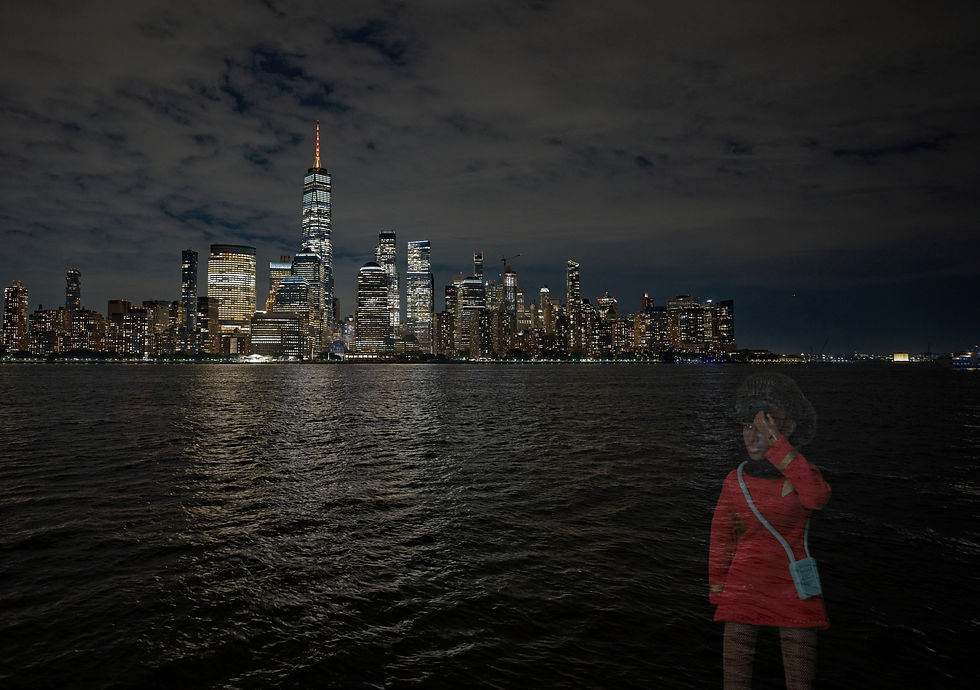
Notions of Blackness in popular culture are intensely commodified, controlled, narrow, and urban. We are so much more. Our relationships with nature are deep, diverse and often erased, withheld, and misrepresented. But make no mistake about it, we are out there in the wild exploring the beauty, mystery, and revelations that exist even in the seemingly mundane elements of nature.
Click on Photo First to See All of It, then Use Arrows to Advance through Gallery


Nature, Harriet, and Black Liberation's Past, Present, and Afrofuture
The natural landscape can be a restful and restorative space, but knowledge of the natural landscape has also helped provide the difference between life, death, food, and freedom for Black people. Historians have reexamined Harriet Tubman’s life and are framing her as one of America’s great naturalists. Tubman’s deep understanding of the tides, seasons, flora, fauna and how to use the stars to navigate was essential to safely traveling great distances through the woods and waterways to guide people to freedom.
Certain things haven't changed in hundreds of years. People of color in the U.S. must be aware of more than nature’s potential dangers when in the wild. As bell hooks wrote in Appalachian Elegy, the history and current threat of white supremacist violence can transform nature from a "freeing place to a fearful place". Some photos in Outer-Afro reference the precarity we live with when we step outside.
That said, compelling afrofuturist visions suggest naturalist knowledge could be a path to liberation. As we see the active dismantling of democracy, naturalist knowledge and experience could be an essential resource in efforts to achieve freedom and liberatory reinvention.
Click on Photo First to See Its Entirety, then Use Arrows to Advance through Gallery


We Are Not Alone
Everything is connected. Our environment is a complex web of relationships between all living organisms and the non-living environment. Each element influences and depends on the others, creating a delicate balance. A single disruption in one part can ripple through the entire system.
This project doesn’t explore the foundational forces driving environmental devastation beyond this short acknowledgement. It’s not our world, although powerful theologies would disagree. The Old Testament suggests that humans have dominion over the earth and all living things, a convenient, foundational justification for our destructive exploitation of the planet. But theology aside, other things are contributing to our fast track to extinction, like greed, individualism, shortsightedness, and capitalism among other things. Perhaps, we can still develop a better understanding of our choices and yield to the better angels of our nature. In the meantime, stepping into the wild with eyes wide open could help us truly see our environmental interconnectedness and imagine a different future.
Click on Photo First to See Its Entirety, then Use Arrows to Advance through Gallery